
A look at what’s shaping experiential marketing, and how it translates into more intentional, effective experience design.
 SXSW has long been considered the center of brand activations.
This year, it looked different.
There was no central hub; the experience spread across Austin, forcing brands, and attendees, to move differently, explore more, and engage in new ways.
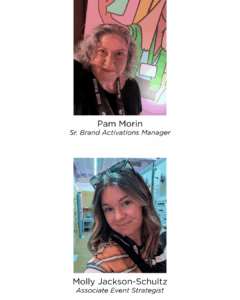
So we sent two of our experts to experience it as it’s meant to be experienced—on the ground, moving through it, taking it in, and seeing what actually resonates.
For our team, it became less about what was biggest or loudest, and more about what actually worked, especially for brands that showed up with intention and authenticity.
Here’s what stood out, and what it means for how we design experiences.
 Experience Design Is About Intention, Not Scale
Not every brand showed up loudly. The ones that stood out didn’t need to
“They were everywhere, but not obnoxious. It felt thoughtful.”
In a space known for spectacle, restraint worked.
What this means for experiential marketing:
Relevance beats volume. The most effective brand activations are designed with intention, not just visibility.
Immersive Brand Activations Need a Clear Point of View
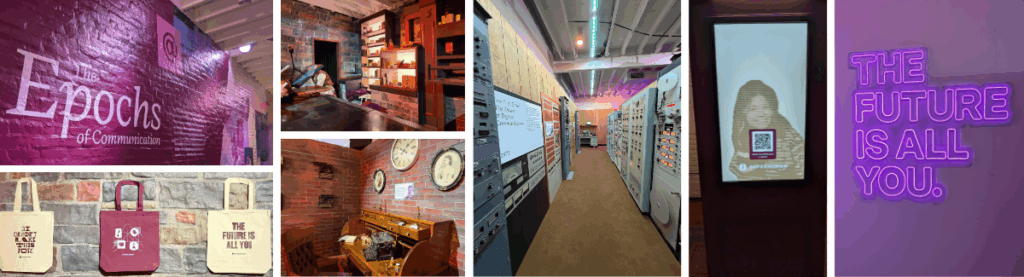
One of the most memorable experiences didn’t start with a clear message.
It started with curiosity.
Walking through a series of environments, from cave drawings to early computers, the experience built slowly, without explanation. Only at the end did it reveal its point of view: reframing AI as simply the next tool in a long history of communication.
“You didn’t fully know what it was at first. But you kept going. And the payoff was powerful.”
What this means for experience design:
Immersion isn’t about scale. It’s about narrative. The best experiences guide people toward meaning, not just spectacle.
Designing Events Around Real Human Behavior
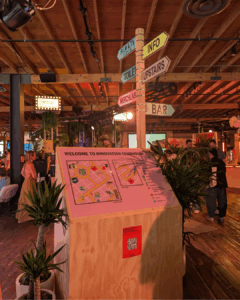 With no central hub, SXSW introduced clubhouses designed around different tracks.
They weren’t just places to pass through. They were places to stay.
“They worked whether you were alone or with others. It never felt forced.”
No awkward networking. No over-engineered engagement.
What this means for event strategy:
The best experiences don’t force interaction. They create the conditions for connection.
The Environment Shapes the Experience
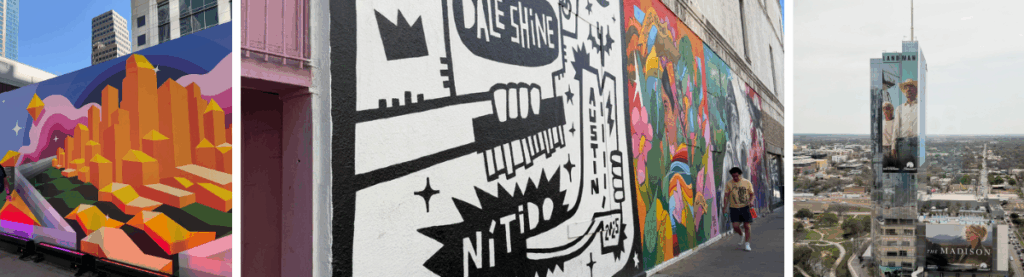
SXSW didn’t just happen in Austin. It happened because of it.
From public art to repurposed spaces, the city itself became part of the experience.
“The city makes you want to linger. That’s by design.”
What this means for experiential marketing:
Experience design starts before attendees walk in. It includes how people move, explore, and interact with the environment.
Authenticity Isn’t a Theme. It’s Alignment.
 What stood out wasn’t just where activations were happening, but how they showed up.
The strongest experiences didn’t feel dropped into Austin.
They felt like they belonged there.
From subtle nods to local culture to environments that reflected the city’s character, brands that embraced Austin, rather than competing with it, created something more authentic.
“It felt very true to the area. Not forced. Not overdesigned.”
That authenticity made the experience more approachable, more engaging, and ultimately more memorable.
What this means for experience design:
Authenticity isn’t about adding local references.
It’s about alignment, with the environment, the audience, and the moment.
Because when an experience feels like it belongs, people engage with it differently.
Guerrilla Marketing and Surprise Still Matter
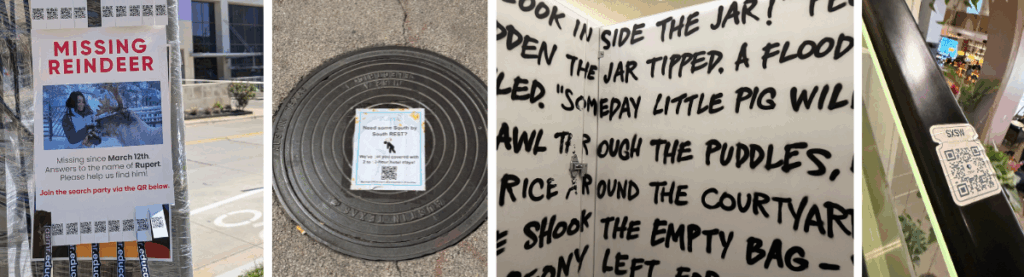
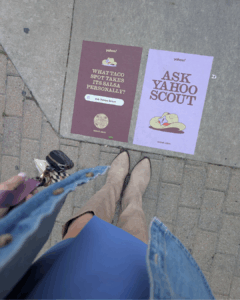
Some of the most memorable moments weren’t part of major activations.
They were small and unexpected.
Posters layered into the environment. Stickers in unexpected places. Details that rewarded curiosity. No sidewalk, light pole, or manhole cover was safe…artistic representation everywhere, a true surprise and delight.
“That’s what we’re always looking for. How do you surprise someone in a way that feels natural, not forced?”
What this means for brand activations:
Not every impactful moment needs scale. Surprise and discovery create lasting impressions.
When Structure Changes, Design Matters More
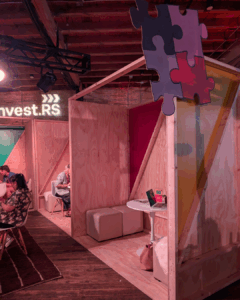 Without a singlular focal point, SXSW had to rethink how people navigated the experience.
Clubhouses became anchors. Hotels became hubs. The city became connective tissue.
“I applaud what they did. It worked.”
What this means for event design:
When structure shifts, intentional design becomes even more critical.
What This All Means for Experience Design
SXSW reinforced something we already believe:
The best experiences aren’t the loudest.
They’re the most intentional.
They’re built on insight, shaped by strategy, and designed around how people actually engage.
That’s what turns a moment into something that drives connection, shapes behavior, and creates lasting impact.
Closing
“SXSW and Austin, thank you. Thank you for delivering a place to meet interesting people, have fascinating conversations, and, most of all, be inspired. I can’t wait to get started on my next project.”
Inspiration is the starting point.
What matters is what you build from it.
[call_action]Let’s Design What Works[/call_action]